


-

Add: HeBei ShengShi HongBang Cellulose Technology CO.,LTD.
-

Email
13180486930@163.com -

CONTACT US
+86 13180486930


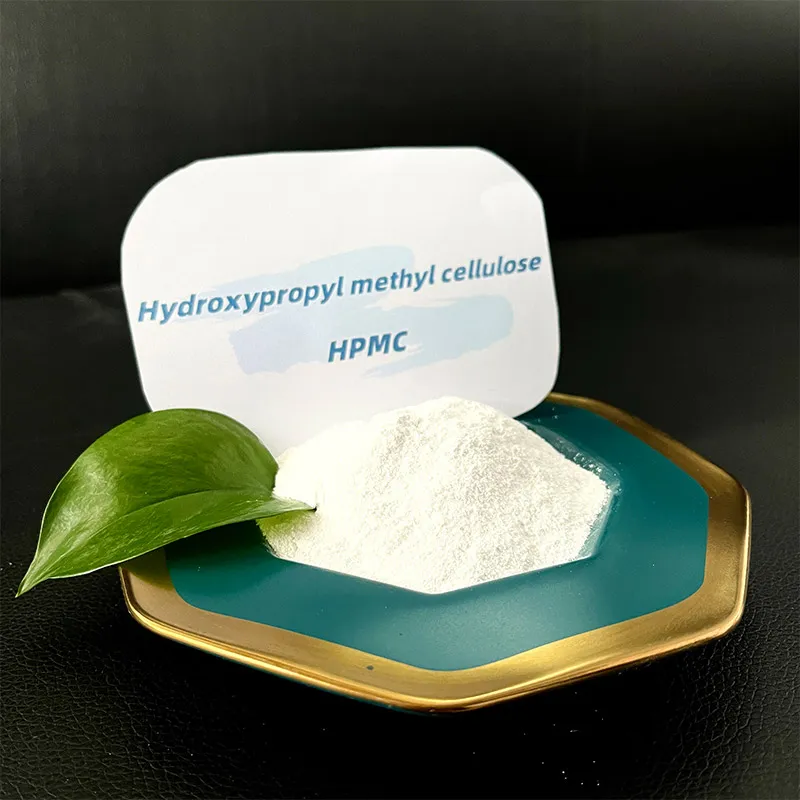
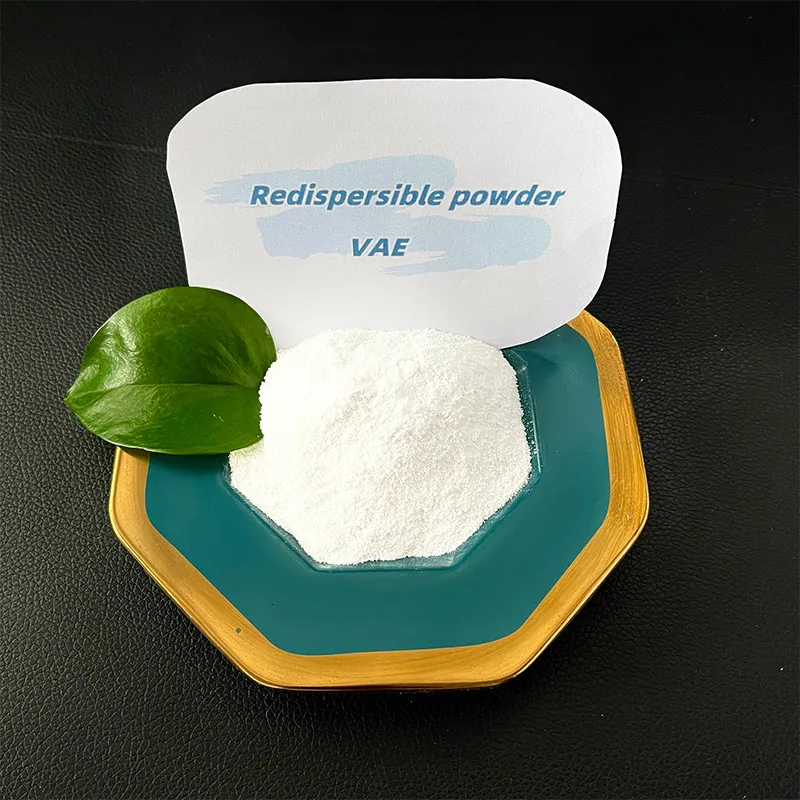
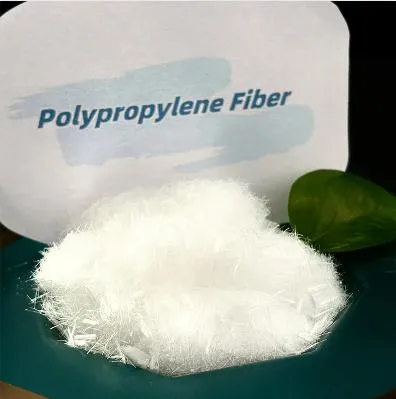



Fiberglass for Concrete Mix Enhancing Strength and Durability Concrete is one of the most widely used construction materials in the world, known for its strength and versatility. However, it does have its limitations, such as brittleness, susceptibility to cracking, and overall weight. To tackle these challenges, the incorporation of fiberglass into concrete mixes has emerged as a game-changing solution that boosts performance while maintaining the same traditional characteristics of concrete. What is Fiberglass? Fiberglass, or glass fiber, is a reinforced plastic material composed of fine fibers of glass. It is known for its high strength-to-weight ratio, excellent resistance to corrosion, and impressive insulation properties. When added to concrete mixes, fiberglass can significantly enhance the material's overall performance, making it a popular choice in various construction applications. Benefits of Fiberglass in Concrete Mixes 1. Improved Tensile Strength One of the most significant advantages of incorporating fiberglass into concrete is the enhancement of tensile strength. Traditional concrete tends to be strong in compression but weak in tension, which can lead to cracks and structural failures. By adding fiberglass, the tensile strength increases, making the concrete more resistant to stress and load-bearing requirements. 2. Reduced Shrinkage and Cracking Fiberglass acts as a reinforcement that helps to minimize shrinkage during the curing process. This reduction in shrinkage translates to a decreased risk of cracking, which is often a common issue in standard concrete mixes. By effectively controlling cracking, fiberglass-reinforced concrete extends the lifespan of structures and reduces the need for repairs. 3. Lightweight Composition The lightweight nature of fiberglass compared to traditional reinforcement materials like steel means that concrete mixes can maintain lower overall weight. This can reduce the structural load on foundations while still providing the necessary strength and durability. Such lightweight composition is particularly advantageous in projects where load restrictions are critical. fiberglass for concrete mix 4. Enhanced Durability Fiberglass is naturally resistant to corrosion and chemical attack, which can often plague concrete exposed to harsh environmental conditions. By incorporating fiberglass, the resulting concrete becomes more robust against moisture penetration, temperature fluctuations, and aggressive chemicals, making it ideal for use in areas such as coastal regions, industrial sites, or places with severe weather. 5. Cost-Effectiveness While there may be initial costs associated with adding fiberglass to concrete mixes, the long-term savings are significant. The durability and reduced maintenance associated with fiberglass-reinforced concrete often lead to lower repair and replacement costs over the lifecycle of a structure. Additionally, the efficiency of construction and the potential reduction in material usage can further offset expenses. Applications of Fiberglass-Reinforced Concrete The application of fiberglass in concrete mixes spans across various sectors including residential, commercial, and industrial construction. From precast concrete products to architectural elements, such as facades and sculptures, fiberglass enhances the performance and aesthetic appeal of concrete structures. One notable application is in the construction of pavements and flooring systems. The addition of fiberglass not only improves the structural integrity but also provides slip resistance, ensuring safety in both industrial and commercial environments. Moreover, the use of fiberglass in thin overlays and shotcrete processes shows significant promise, allowing for quick application with high durability. Conclusion In conclusion, the integration of fiberglass into concrete mixes presents a wealth of benefits that significantly enhance the material's performance. Improved tensile strength, reduced shrinkage, enhanced durability, and lightweight composition make fiberglass-reinforced concrete an excellent choice for modern construction projects. As the construction industry continues to evolve, adopting innovative materials like fiberglass will be crucial in meeting the demands for stronger, more resilient, and cost-effective building solutions. By embracing these advancements, engineers and architects can create structures that not only stand the test of time but also contribute to more sustainable development practices.
- 40000tons

Production
- 20+years

Experience
- 5000+㎡

Acreage

-
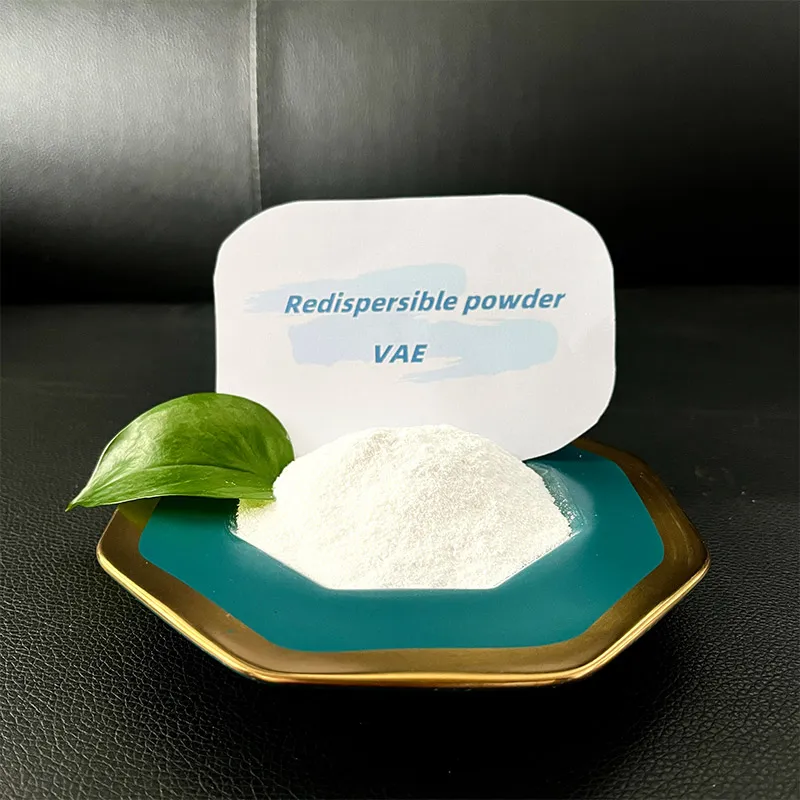
Hydroxypropyl methylcellulose (HPMC) is a versatile compound commonly used in various industries, ranging from pharmaceuticals to construction. With years of experience in the field, I have witnessed firsthand how the unique properties of HPMC make it an invaluable asset in product formulation. In the pharmaceutical industry, HPMC serves as a pivotal component due to its excellent biocompatibility and ability to form films. The compound acts as an excipient in controlled-release formulations, enhancing drug solubility and bioavailability. As someone deeply involved in drug development, I've seen HPMC improve drug stability while ensuring consistent therapeutic effects, which is crucial for patient safety and efficacy. Beyond pharmaceuticals , HPMC plays a crucial role in the food industry. Its non-toxic nature and ability to retain water make it an ideal emulsifier and thickening agent. HPMC can improve the texture and shelf life of food products, and its dietary fiber properties offer potential health benefits. My personal experiences working with HPMC in various food formulations reinforce its reliability and versatility in ensuring product quality and consumer satisfaction. In the realm of construction, HPMC offers significant benefits as a key ingredient in cement and mortar mixes. Its use enhances workability, water retention, and curing time of the products, thereby increasing durability and structural integrity. As an expert in construction materials, I have observed that the use of HPMC can significantly reduce material costs while maintaining high performance, which is a priority in the industry. hpmc is HPMC's application extends to personal care products as well. It serves as a thickening agent and stabilizer in creams, lotions, and shampoos. Given my involvement in product development within this domain, I can attest to HPMC's ability to improve product texture and stability, ensuring a pleasant user experience while maintaining efficacy. Extensive research supports HPMC's safety and effectiveness across these industries. The compound's biocompatibility and biodegradability contribute to its sustainability, aligning with the growing global emphasis on environmentally friendly materials. This authoritative evidence reassures manufacturers and consumers alike of its reliable performance. Trustworthiness in product formulation is paramount, and HPMC consistently delivers. Regulatory bodies such as the FDA and EMA acknowledge its safety for use in specified applications. This regulatory endorsement, combined with comprehensive scientific literature, underscores its credibility and instills confidence in its use. In summary, the multifaceted applications of HPMC across various industries highlight its indispensable role in modern product development. My extensive experience and expertise affirm its importance in formulating safe, effective, and high-quality products. As industries continue to evolve, HPMC's adaptability and proven performance will undoubtedly support innovation and excellence.
-
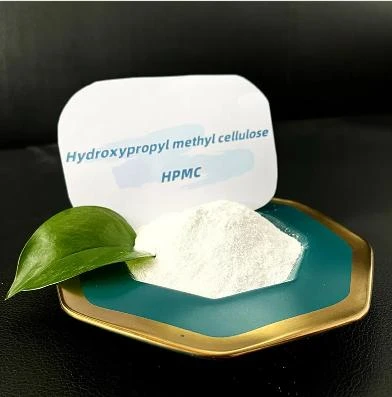
Exploring the molecular weight of hydroxypropyl methylcellulose (HPMC) unveils a nuanced aspect often overlooked yet crucial in multiple applications within pharmaceuticals, construction, and food industries. The molecular weight directly influences HPMC's solubility, viscosity, and functional properties, challenging even the most experienced professionals to match the perfect balance for specific industrial needs. Molecular weight, fundamentally, indicates the size of a single HPMC molecule, typically ranging between 10,000 to 1,500,000 g/mol. This variability allows HPMC to adapt to diverse roles, from thickening agents in sauces to extended-release agents in medicine, showcasing its versatility. In pharmaceuticals, HPMC's molecular weight is instrumental in controlling drug release rates . A higher molecular weight often translates to increased viscosity, which is pivotal in formulating controlled-release drugs. This characteristic ensures that the medication is released at a consistently maintained rate, enhancing the treatment's efficacy and patient compliance. Manufacturers aiming for precision must therefore select HPMC with a molecular weight that aligns perfectly with the intended release profile. The food industry similarly benefits from HPMC's customizable properties. As a stabilizer and texturizer, the molecular weight determines how effectively HPMC can emulsify and retain moisture in products like low-fat dairy or gluten-free items. By adjusting the molecular weight, food technologists can create products with improved mouthfeel and structural integrity, which are crucial for consumer acceptance. In construction, HPMC's role as a rheology modifier is heavily dictated by its molecular weight. For applications in cement-based products, such as tile adhesives or self-leveling compounds, an HPMC variety with an appropriate molecular weight ensures the correct balance of water retention and workability. This factor is critical to achieving the desired slump resistance and tensile adhesion strength in building materials. hpmc molecular weight Despite these benefits, selecting the incorrect molecular weight can lead to suboptimal performance. For instance, in pharmaceuticals, an HPMC with too low a molecular weight could result in rapid drug dissolution, counteracting the desired slow-release effect. Similarly, in construction, using a product with inadequate molecular weight might fail to impart necessary workability or lead to cracking due to insufficient water retention. Adopting a scientific approach, many experts utilize techniques such as gel permeation chromatography or viscometric methods to determine the precise molecular weight of HPMC needed for a given application. These methods provide insights that allow formulators to predict the polymer's behavior, fostering innovation and precision in product development. The authoritative voice in HPMC usage stems from balancing experience with empirical data, ensuring the chosen molecular weight aligns with application-specific requirements. This intricate balance nurtures trust among clients and consumers, who rely on consistent, high-quality products underscored by rigorous scientific validation. In conclusion, understanding and selecting the appropriate molecular weight of HPMC is an art that combines advanced technical knowledge with practical expertise. Professionals tasked with this selection process drive innovation and quality across industries, reinforcing HPMC's role as an indispensable component in achieving desired performance outcomes in countless applications.
advantages
-

200000 Viscosities
Excellent product
We can produce pure products up to 200,000 viscosities
-

40000 tons
High yield
We don’t stop production all year round, and the annual output can reach 40,000 tons
-

24 hours
Quality service
We provide 24-hours online reception service, welcome to consult at any time
———— Inquiry Form
Schedule A services

-
 hydroxypropyl_methylcellulose_hpmc
Oct . 25, 2025
Jute synthetic fiber represents a groundbreaking innovation in the textile industry, blending tradit -
 harga_serat_pp
Oct . 25, 2025
HPMC vegetable cellulose, a plant-derived compound, is revolutionizing the way industries approach p -
 absorbent_polymer_powder
Oct . 25, 2025
HPMC Dextran is the innovative addition to the pharmaceutical excipients' domain that is capturing s


